I’ve Broken So Many “Rules” When Cooking Fish
January 8th, 2026Breaking Bread and Breaking Rules With Wild-Caught Seafood
Somewhere along the way, seafood picked up a reputation for being fancy and perhaps a little finicky, bound by assumptions: Don’t serve seafood with red wine. Don’t pair mild fish with bold flavors. Save seafood for a special occasion. Definitely don’t eat leftover fish.
At this point, I’ve broken bread countless times with family, friends, and strangers, over countless tables laden with wild-caught seafood. And I’ve debunked the assumptions around seafood just as many times. So I’m here to tell you: dinner was better for it.
In our house, cooking fish looks a lot more like jazz than classical music — responsive, flexible, and guided by instinct as much as tradition. So allow me to do some culinary mythbusting:
Yes, you can drink red wine with fish. The key is to avoid wines that are overly tannic, as tannins can make fish taste a bit metallic. (This guideline applies to “orange wines,” too, if those are your thing.) A light-bodied red, slightly chilled, can be lovely with white fish. With wild salmon, you can even lean a bit bolder; a Pinot Noir is a classic pairing for a reason. Ultimately, trust your palate and be your own “salm-melier.” If a wine & fish pairing tastes good to you, then you’ve picked the perfect bottle.
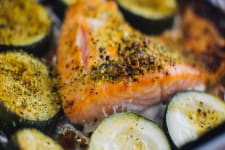
Mild fish can handle big flavor. There’s no need to hold back when preparing white fish. Pacific halibut, for example, has a hearty, meaty texture that stands up beautifully to bold spices and sauces. It’s just as happy under a pile of herbs, spices, and chili oil as it is with a simple sprinkle of salt and pepper. Even a more delicate species like lingcod is a delectable protein to season with everything from a Cajun spice mix to a fiery gochujang glaze. Let your palate guide you.
Enjoy leftover fish with gusto. There’s a persistent idea that cooked fish should be eaten immediately or not at all. In reality, properly stored cooked fish keeps well in the fridge for three to four days per official USDA guidance. This opens the door to batch cooking and easy meals: flake leftover fish into a brunchy frittata, fold it into fried rice or pasta, scatter it over savory oats, or stir it into soup. You can even repurpose leftover fish to make a fresh batch of fish cakes.
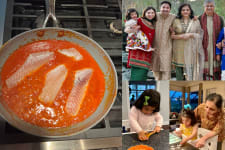
Seafood is everyday food. In Alaska, seafood isn’t reserved for candlelit dinners or white tablecloths. My late father-in-law Walt Kallenberg used to start his day off with a cup of coffee and a serving of leftover sockeye, a breakfast as quotidian as a bowl of cereal. In our house, even with two young kids, wild-caught seafood can easily be breakfast, lunch, or dinner. It’s an all-purpose protein that shows up wherever it makes sense. Don’t get me wrong: it’s not that Alaskan seafood isn’t special. I actually think it’s one of the most special foods we can keep in our kitchens, being that it’s one of the last, abundantly available sources of wild protein left on this incredible planet. And that’s why it’s worth celebrating, as an essential part of our lives.
Bonus rule to break: Cheese absolutely belongs on fish! Fish sandwiches, fish burgers, fish melts — throw a slice on and embrace the joyful, melty rebellion.
If I missed any rules or assumptions that you’ve heard around fish, my advice to you is to go ahead and break those, too. Lean on your palate and preferences to guide you. Channel a little kitchen jazz, and trust that you’ll find your groove.
Live Wild,
Monica
Pictured above: A fillet of lingcod crusted in Cajun seasoning — a bold protein for a sandwich, or even to serve over a hearty salad of romaine lettuce with your favorite dressing.