Frozen vs. Fresh Salmon: Which Is Better?
July 27th, 2026Is Frozen Salmon Better Than Fresh?
Frozen salmon is often better than "fresh" salmon sold at grocery stores because it's frozen shortly after harvest to preserve its flavor, texture, and nutritional quality. Much of the "fresh" salmon sold at seafood counters has actually been previously frozen and thawed for display.
That may sound surprising, but much of the salmon sold at seafood counters is simply thawed before being displayed for sale. By the time you bring it home, it may already be several days into its refrigerated shelf life.
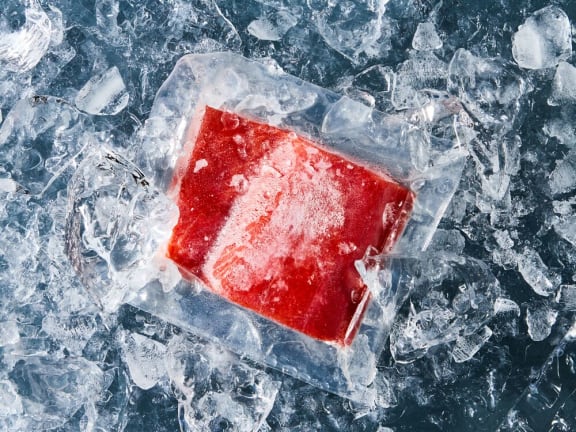
High-quality frozen salmon, on the other hand, is frozen shortly after harvest to preserve its flavor, texture, and nutritional value. Instead of continuing to age in a display case, it stays at peak quality until you're ready to thaw and cook it.
So when people ask, "Is frozen salmon as good as fresh?" the answer is often yes — and in many cases, it's actually the better option when you’re trying to decide how to buy the best salmon.
Is All Salmon Frozen?
Not all salmon is frozen, but much of the salmon available in grocery stores has been frozen at some point. Frozen salmon isn't an inferior product — it's often the reason the salmon can arrive in excellent condition.
Transporting salmon over long distances usually requires freezing to maintain quality during shipping. That's why "fresh" salmon at the seafood counter is oftentimes previously frozen salmon that has simply been thawed for display.
You may occasionally find never-frozen salmon if you live near an active fishing port or at certain speciality markets at specific times of year. But generally, what you’ll find on an everyday shopping trip is previously frozen salmon.
Why Is Frozen Salmon Often Fresher Than Fresh Salmon?
The moment salmon is harvested, freshness begins to decline. Natural enzymes slowly begin breaking down the fish, and even when salmon is properly refrigerated, its texture and flavor continue to change over time. In other words, salmon displayed as "fresh" at the grocery store continues aging while it sits in the seafood case waiting to be purchased.
Frozen salmon takes a different path. By freezing salmon shortly after harvest, producers dramatically slow those natural changes, effectively stopping the clock on degradation. This means that the fish is preserved at peak quality until it's thawed. For that reason, frozen salmon frequently delivers more consistent quality than refrigerated salmon that's spent several days on display.
Keeping frozen salmon in your freezer until you’re ready to cook it preserves this freshness, making it one of the best ways to store salmon at home.
Does Frozen Salmon Taste as Good as Fresh Salmon?
One of the biggest misconceptions is that freezing automatically hurts quality. In reality, high-quality frozen salmon can be on par with freshly harvested salmon once properly thawed and cooked.
When salmon is frozen soon after harvest and kept continuously frozen, it retains:
-
Firm, flaky texture
-
Clean, rich flavor
-
Natural moisture
-
Nutritional quality
The biggest factor for the best taste and texture is how the salmon has been handled after harvest. High-quality salmon is processed and preserved promptly after harvest, and ideally kept frozen through any secondary processing. Where salmon is processed also plays a role in maintaining its taste and texture — domestic processing ensures that quality can be maintained throughout filleting, portioning, and packaging without any degradation.
That's why buying frozen salmon from a trusted source is often a more reliable way to enjoy consistently great salmon than purchasing previously thawed fish from a retail display.
Is Frozen Salmon Healthy?
Yes. Frozen salmon is just as nutritious as fresh salmon. Freezing doesn't significantly reduce the protein, omega-3 fatty acids, vitamins, or minerals naturally found in salmon. Instead, it simply preserves the salmon in the condition it was in when frozen.
If you're choosing between frozen and fresh salmon based on nutrition, there's little difference. The quality of the salmon itself — and how it's sourced — is far more important than whether it was frozen.
If sustainability is also important to you, you’ll want to consider the environmental impact of wild vs. farmed salmon. Choosing responsibly harvested wild salmon is a key factor worth considering beyond whether it's sold frozen or fresh.
Should You Buy Fresh or Frozen Salmon?
Unless you're buying salmon directly from a local fishery within a day of harvest, frozen salmon often represents the freshest option available. Frozen salmon also offers practical advantages that make it an excellent option for busy home cooks, families, and anyone who wants to keep high-quality seafood on hand without worrying about using it immediately.
On a practical level at home, choosing frozen means that you’ll benefit from salmon that has a much longer shelf life, resulting in less food waste and more consistent quality year-round. It can also help you better plan your meals because of its convenient portioning.
Plus, rather than feeling pressured to cook salmon within a day or two of purchasing it, frozen salmon lets you enjoy it whenever you're ready. You can even cook salmon from frozen as a convenient, healthy protein option throughout the week.
Frozen Salmon Is a Fresh Choice
Frozen salmon isn't a compromise — it's often the smartest way to enjoy high-quality wild-caught salmon at home.
Because Wild Alaskan Company portions and freezes salmon shortly after harvest, each fillet stays protected until you're ready to cook it. That means you can keep your freezer stocked without sacrificing flavor or quality.
Whether you're comparing fresh vs. frozen salmon, wondering if frozen salmon is healthy, or simply looking for a more convenient way to enjoy wild-caught seafood, frozen salmon offers exceptional quality from freezer to plate.
FAQ
Is frozen salmon as good as fresh?
Yes. High-quality frozen salmon that is frozen shortly after harvest can match — or even exceed — the quality of "fresh" salmon that's been sitting refrigerated for several days.
Is frozen salmon healthy?
Yes. Frozen salmon retains its protein, omega-3 fatty acids, vitamins, and minerals. Freezing is simply a preservation method that can help to preserve the qualities of the salmon.
Is all salmon at the grocery store previously frozen?
Not always, but much of it is. Many grocery stores sell previously frozen salmon that has been thawed for display in the seafood case.
Is fresh salmon better than frozen?
Only if it's truly fresh — meaning harvested very recently — and properly handled. Otherwise, frozen salmon is often the fresher, better option because it's preserved shortly after harvest.