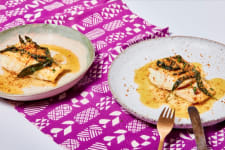
What Are Weathervane Scallops: A Comprehensive Guide
May 29th, 2026Everything You Need to Know About Weathervane Scallops
Alaska is home to a type of shellfish called weathervane scallops, the largest species of sea scallops in the world. Like other species of sea scallops, weathervane scallops are much larger than bay scallops. Because of their size, Weathervanes are sometimes referred to as giant Pacific scallops.
There’s a lot to appreciate about weathervane scallops — they’re some of the sweetest, most buttery scallops you can find.
What Do Weathervane Scallops Taste Like?

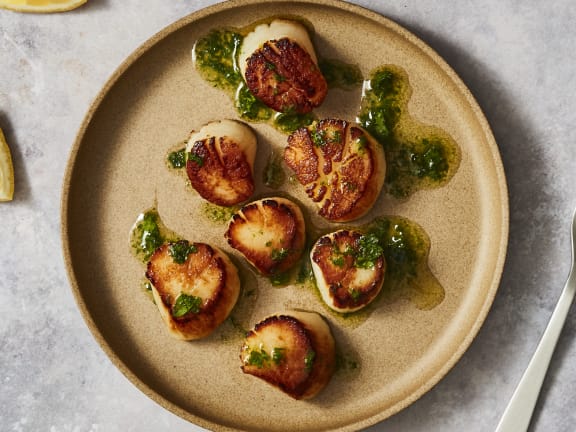
Weathervane scallops are plump and buttery, with an incredibly sweet flavor. Searing them further enhances their sweetness. Weathervane scallops have a luscious texture that sets them apart from many scallops available on the market. They’re delicious on their own, seasoned very simply.
Wild Alaskan Company sources all-natural, “dry-packed” weathervane scallops — meaning, they haven’t been treated with common chemical additives to scallops that negatively affect the quality and texture of the shellfish.
How Big Are Weathervane Scallops?
Weathervane scallops can grow to be quite large — nearly the size of the palm of your hand. But that doesn't mean they're always harvested when large. As a wild harvest, there’s wide variation in size.
Scallops are sized by how many you’ll find in a pound. A 30/40 count means there are about 30-40 smaller scallops per pound, while a 10 count means fewer, larger scallops — around 10 per pound. Generally, you can expect weathervane scallops to be anywhere between 10 count to 40 count.
Why does size matter? Larger scallops are great for searing and presentation, while smaller scallops work well for pastas, soups, and mixed dishes.
Compared to Weathervane scallops, other species of sea scallops don’t grow to be as large. They may be average 20 to 30 scallops per pound. Bay scallops are even smaller, resembling mini marshmallows so that there’s up to 100 very small scallops per pound.
Are Weathervane Scallops Sustainable?
Together with the federal government, the state jointly monitors harvest levels under a special program called the Alaska Scallop Fishery Management Plan. An independent observer is always onboard the fishing vessel to ensure that the fishers are harvesting the weathervane scallops correctly.
Weathervane scallop fishery beds are fragile seafloor ecosystems that require careful management. Adequate rotation of harvest locations ensures the long-term sustainability of harvests.
Where Are Weathervane Scallops Found?
In Alaska, the largest scallop beds can be found in the Eastern Gulf of Alaska and the Bering Sea. They are found in depths of up to 400 feet, on mud, sand or gravel.
Weathervane scallops are typically harvested along the southern coast of Alaska in Yakutat, Prince William Sound, Cook Inlet, Kodiak, the Alaska Peninsula and out in the Bering Sea. The harvest locations differ from year-to-year to help protect the integrity of seafloor ecosystems.
Nutrition Facts
Weathervane scallops are low in fat, high in protein, and naturally sweet. They’re a great source of vitamin D and a good source of potassium.
Nutrition per 4-ounce serving:
-
Calories: 100 calories
-
Fat: 1 gram
-
Protein: 20 grams
-
Vitamin D: 5 micrograms, or 25% RDI
Understanding Scallop Sizes: What Do Labels Like U-10 and U-20 Mean?
If you’ve ever shopped for scallops online or at a seafood counter, you’ve probably noticed labels like “U-10,” “10/20,” or “20/30.” While they might seem technical, scallop sizing is actually pretty simple once you know how to read it.
Scallops are sized according to how many individual scallops make up one pound. The lower the number, the larger the scallops.
For example:
-
U-10 scallops = under 10 scallops per pound, meaning they’re especially large.
-
10/20 scallops = between 10 and 20 scallops per pound, so they’re slightly smaller than the U-10s.
-
30/40 scallops = between 30 and 40 scallops per pound, making them much smaller and more bite-sized.
In general, larger scallops are ideal for high-heat cooking methods like pan-searing or grilling because their size makes it easier to develop a golden crust while keeping the center tender. Smaller scallops cook more quickly and are often better suited for pasta dishes, soups, stews, or seafood salads.
The “U” designation is especially important when shopping online. The “U” stands for “under,” so a label like U-10 means there are fewer than 10 scallops per pound — typically indicating jumbo-sized scallops.
How to Prepare Weathervane Scallops
Here are some step-by-step guides for how to thaw and cook weathervane scallops:
Tips for Buying Scallops Online
When purchasing scallops online, sizing labels can tell you a lot about what to expect once the seafood arrives. Here are a few things to look for:
-
For restaurant-style searing: Choose larger scallops like U-10 or U-15.
-
For pasta or mixed dishes: Medium or smaller sizes like 20/30 or 30/40 may work better.
-
Look for “dry-packed” scallops: Dry-packed scallops haven’t been treated with additives that can make them release excess water during cooking. This helps them caramelize better in the pan.
-
Check package weight alongside count size: A 1-pound bag of U-10 scallops will contain far fewer, much larger scallops than a 1-pound bag labeled 30/40.
Wild Alaskan Company’s weathervane scallops can range widely in size due to the nature of wild harvests, but they’re known for being among the largest scallop species available — sweet, buttery, and especially well-suited for searing. You can buy sweet weathervane scallops — shucked and frozen on the boat — from a trusted online vendor like Wild Alaskan Company, which sources sustainably-harvested scallops in addition to a variety of wild-caught species of fish and shellfish.